A Grand Tour of Britain: London, Cambridge, York, Edinburgh & Beyond
This comprehensive travel guide outlines a classic circuit of England and Scotland, taking you from the bustling capital of London through historic university towns, majestic northern cities, stunning landscapes, and iconic landmarks. The itinerary is designed as a loop, starting and ending in London, and is best experienced over a two to three-week period.
Itinerary Overview
The route covers a diverse range of experiences:
London (history & culture),
Cambridge (university life),
York (medieval charm),
Edinburgh (Scottish capital),
Glasgow (Victorian architecture & art), the
Lake District (Windermere) (natural beauty),
Manchester (industrial heritage & sport),
Chatsworth HouseStratford-upon-Avon (Shakespeare's birthplace),
Oxford (university life),
Stonehenge (prehistoric mystery), and
Windsor Castle (royal residence).
Practical Travel Information
Getting Around
By Train: The most efficient way to travel between major cities. Book tickets in advance on sites like National Rail or Trainline for significant savings. Consider a BritRail Pass if planning extensive travel.
By Car: Offers flexibility, especially for the Lake District and rural areas. Remember to drive on the left. Rental cars are widely available, but city driving and parking can be challenging and expensive.
By Coach/Bus: A budget-friendly option for longer journeys, with National Express and Megabus being the main operators. Journeys are slower than trains.
Internal Flights: Generally not necessary for this itinerary, as train connections are excellent.
Accommodation
Book accommodation well in advance, especially during peak season (June-August) and around major festivals. Options range from luxury hotels and boutique B&Bs to hostels and self-catering apartments.
Best Time to Visit
May-June: Pleasant weather, long daylight hours, and beautiful spring blooms.
September-October: Fewer crowds, autumn colours, and mild temperatures.
July-August: Peak season with the warmest weather but also the largest crowds and highest prices. Edinburgh is exceptionally busy during the Festival Fringe in August.
November-March: Cooler, shorter days, but you'll find fewer tourists and lower prices. Some attractions may have reduced hours.
Detailed Destination Guide
1. London
The journey begins and ends in the vast and vibrant capital of the United Kingdom. London is a global hub of history, culture, and finance.
Key Attractions: The British Museum, Tower of London, Buckingham Palace (Changing of the Guard), Houses of Parliament & Big Ben, Westminster Abbey, The National Gallery, St. Paul's Cathedral, Tate Modern, Hyde Park, and the London Eye.
Neighborhoods to Explore: The West End (for theatre and shopping), Covent Garden (street performers and markets), Soho (dining and nightlife), South Bank (cultural walk), Notting Hill (colorful houses and Portobello Market).
Practical Tips: Get an Oyster card or use a contactless bank card for the Tube and buses. Many museums are free to enter. Book theatre and popular attraction tickets online in advance.
2. Cambridge
A short train ride north of London, Cambridge is famed for its prestigious university, stunning architecture, and tranquil river.
Key Attractions: King's College and its magnificent chapel, punting on the River Cam, The Fitzwilliam Museum, wandering through the historic college backs, The Mathematical Bridge at Queens' College.
Practical Tips: The city is very walkable. Punting can be done yourself or with a chauffeur/guide who provides commentary. Some colleges charge an entrance fee and may be closed to visitors during exam periods or special events.
3. York
A historic walled city in the north of England, York boasts a rich Roman, Viking, and medieval past.
Key Attractions: York Minster (one of the world's most magnificent cathedrals), walking the ancient City Walls, The Shambles (a crooked medieval street), Jorvik Viking Centre, National Railway Museum.
Practical Tips: The city centre is compact and easily explored on foot. Climb the Central Tower of York Minster for breathtaking views. Pre-book tickets for the Jorvik Centre to avoid long queues.
4. Edinburgh
The majestic capital of Scotland is a city of dramatic geology, with a medieval Old Town and an elegant Georgian New Town.
Key Attractions: Edinburgh Castle, the Royal Mile, Arthur's Seat (an extinct volcano), Holyrood Palace, the Scottish National Gallery, climbing Calton Hill for panoramic views.
Practical Tips: Wear comfortable shoes for navigating the city's steep hills and cobbled streets. If visiting in August for the Fringe Festival, book accommodation and show tickets many months in advance. A hop-on-hop-off bus tour is a good way to get an overview.
5. Glasgow
Scotland's largest city offers a contrast to Edinburgh with its bold Victorian architecture, world-class art collections, and vibrant cultural scene.
Key Attractions: Kelvingrove Art Gallery and Museum, Glasgow Cathedral and the Necropolis, The Riverside Museum of Transport and Travel, George Square, the Mackintosh House (celebrating architect Charles Rennie Mackintosh).
Practical Tips: Glasgow is known for its excellent shopping, from high-street brands on Buchanan Street to unique boutiques in the West End. The city has a fantastic live music scene.
6. Lake District (Windermere)
A stunning national park in Cumbria, famous for its glacial ribbon lakes, rugged fell mountains, and literary associations with Wordsworth and Beatrix Potter.
Key Attractions: Lake Windermere (take a cruise or go kayaking), hiking in the surrounding fells, visiting Beatrix Potter's Hill Top farmhouse in Near Sawrey, taking the historic Haverthwaite Steam Railway, exploring the town of Ambleside.
Practical Tips: Windermere town is the main tourist hub. Public transport within the Lakes can be infrequent; having a car provides more freedom. Be prepared for changeable weather, even in summer.
7. Manchester
A powerhouse of the Industrial Revolution, Manchester has reinvented itself as a major cultural, music, and sporting destination.
Key Attractions: The John Rylands Library, Science and Industry Museum, Manchester United Football Club tour at Old Trafford (or Manchester City's Etihad Campus), the Northern Quarter for independent shops and street art, Manchester Art Gallery.
Practical Tips: The city centre is very walkable. It has a renowned nightlife and live music scene. Trams are an easy way to get to areas like Salford Quays.
8. Chatsworth House
Often referred to as "the Palace of the Peak," this is one of Britain's finest stately homes, set in a spectacular landscape in the Derbyshire Dales.
Key Attractions: The house itself with its magnificent State Rooms and art collection, the beautifully landscaped gardens, the farmyard and adventure playground (ideal for families), extensive parkland for walking.
Practical Tips: Check the official website for opening times as they vary by season. Allocate at least half a day to see the house, garden, and grounds properly. It can get very busy; arriving early is advisable.
9. Stratford-upon-Avon
The historic market town on the River Avon is forever linked to William Shakespeare.
Key Attractions: Shakespeare's Birthplace, Anne Hathaway's Cottage, Holy Trinity Church (where Shakespeare is buried), seeing a play by the Royal Shakespeare Company, exploring the charming town centre.
Practical Tips: A combined ticket for the five Shakespeare properties offers good value. Booking RSC tickets well in advance is essential. The town is a popular day-trip destination, so it can be crowded.
10. Oxford
The "City of Dreaming Spires" is home to the world's oldest English-speaking university, rivalling Cambridge in beauty and history.
Key Attractions: Bodleian Library, Christ Church College (a filming location for Harry Potter), Radcliffe Camera, Ashmolean Museum, climbing University Church of St Mary the Virgin for a classic view, punting on the River Cherwell.
Practical Tips: Like Cambridge, it's a walking city. Check individual college websites for visitor opening hours and fees. Some may be closed during exams or term time.
11. Stonehenge
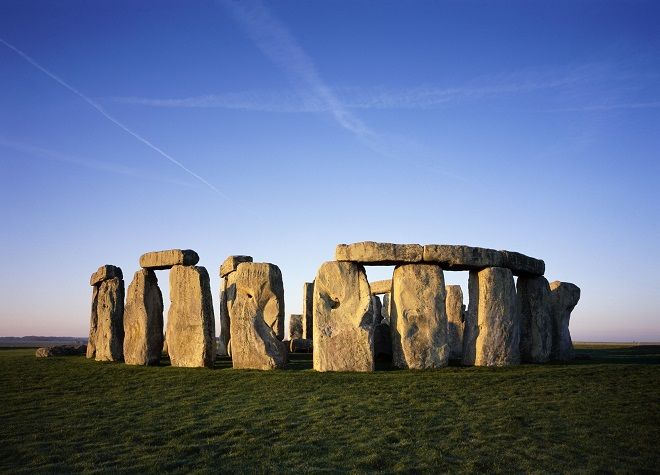
A prehistoric monument on Salisbury Plain, this iconic ring of standing stones is one of the most famous landmarks in the world.
Key Attractions:The stone circle itself (viewed from a path that circles it), the excellent visitor centre with exhibitions and reconstructed Neolithic houses.
Practical Tips: It is essential to pre-book a timed ticket online. The site is exposed to the elements, so dress appropriately. Consider combining a visit with nearby Salisbury to see the Magna Carta in Salisbury Cathedral.
12. Windsor Castle
The oldest and largest inhabited castle in the world, Windsor Castle is an official residence of His Majesty The King.
Key Attractions:The State Apartments, St George's Chapel (the burial place of ten monarchs, including Queen Elizabeth II, and the setting for Prince Harry's wedding), Queen Mary's Dolls' House, Changing the Guard ceremony.
Practical Tips: Check the official calendar before visiting as the castle can close for state events. Pre-booking tickets online is highly recommended. Allow 2-3 hours for your visit.
Culinary Highlights
British cuisine has undergone a renaissance. Don't miss:
A Full English Breakfast:A hearty start to the day.
Fish and Chips:A classic, best enjoyed from a traditional "chippy."
A Sunday Roast:A traditional meal served in pubs every Sunday.
Afternoon Tea:A quintessential experience with tea, finger sandwiches, scones, and cakes.
Cumberland Sausage:A specialty in the Lake District.
Scottish Specialties:In Scotland, try haggis, neeps and tatties; Aberdeen Angus beef; and fresh salmon.
A Final Note on Travel Style
The pace of this itinerary can be adjusted to suit your travel style. Rushing through it in two weeks will be busy but feasible. Allowing three weeks provides a more relaxed pace with time to explore each destination more deeply and make spontaneous discoveries along the way. Regardless of your pace, this grand tour offers an unforgettable journey through the heart of Britain's history, culture, and landscapes.
The information in this guide was accurate at the time of writing. Always check official websites for the latest opening times, prices, and booking requirements before you travel.