Reykjavik: The Ultimate Gateway to Iceland's Northern Lights
Reykjavik: The Ultimate Gateway to Iceland's Northern Lights
Reykjavik, the world's northernmost capital, is a vibrant city that seamlessly blends colorful Nordic architecture with a raw, untamed natural landscape. It serves as the perfect basecamp for one of the planet's most spectacular phenomena: the Aurora Borealis, or Northern Lights. This guide provides a comprehensive overview for travelers seeking to explore Reykjavik and embark on the unforgettable quest to witness the celestial dance of the lights.
Introduction to Reykjavik
Nestled on the coast of Iceland, with a backdrop of dramatic mountains and a front-row seat to the Atlantic Ocean, Reykjavik is a city of contrasts. It is both cosmopolitan and deeply connected to nature. With a population of just over 130,000, it feels more like a large town, offering a safe, friendly, and walkable urban experience. The city's name translates to "Smoky Bay," given by its first Norse settler, Ingólfur Arnarson, who saw steam rising from the area's geothermal hot springs.
Top Attractions and Experiences in Reykjavik
Hallgrímskirkja Church
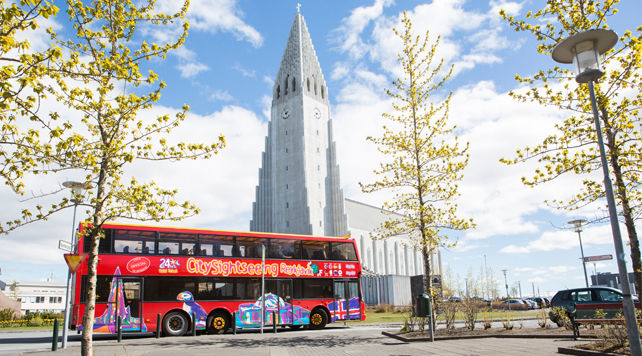
This iconic Lutheran parish church is Reykjavik's most recognizable landmark. Its unique expressionist architecture is inspired by the basalt lava flows found in Iceland's landscape. Visitors can take an elevator to the top of the bell tower for a breathtaking 360-degree panoramic view of the city's colorful rooftops, the surrounding mountains, and the ocean.
Harpa Concert Hall and Conference Centre
A stunning piece of modern architecture located by the old harbor, Harpa is home to the Icelandic Symphony Orchestra and the Icelandic Opera. Its facade is made of a steel framework covered with geometric glass panels of different colors, reflecting the light of the sky and sea. Even without attending a performance, it's worth visiting to admire the interior and enjoy the ambiance.
Perlan (The Pearl)
Situated on Öskjuhlíð hill, Perlan offers another superb viewpoint of Reykjavik. The building features a glass dome resting on top of hot water storage tanks. Inside, you'll find a museum with natural wonders exhibits, including a real ice cave, and a rotating restaurant. The surrounding forest is perfect for a walk.
The Sun Voyager (Sólfar)
This elegant steel sculpture on the Reykjavik waterfront resembles a Viking longship but is officially an "ode to the sun." Designed by Jón Gunnar Árnason, it represents the promise of undiscovered territory, a dream of hope, progress, and freedom. It is a particularly popular spot for photography at sunset.
The National Museum of Iceland
For those interested in the country's history and culture, this museum provides a comprehensive overview from the Viking settlement age to the present day. Its collection includes artifacts like medieval wooden carvings, weapons, and religious objects that tell the story of the Icelandic people.
The Old Harbour
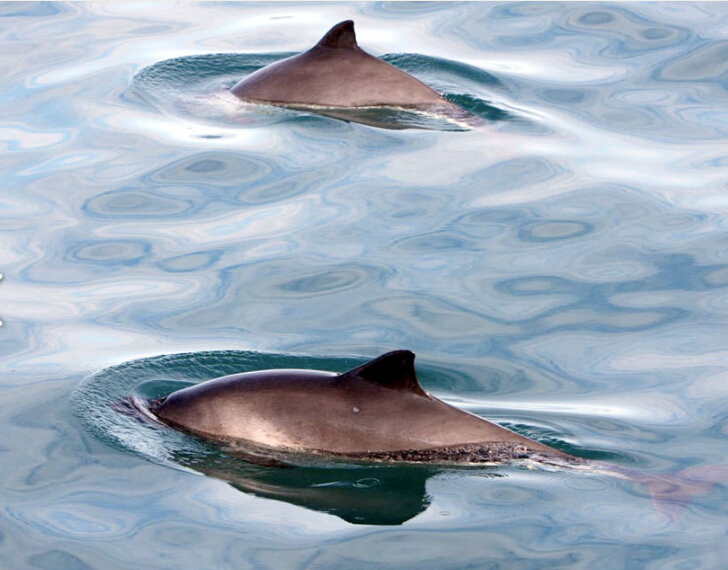
Once a functional fishing port, the Old Harbour has been transformed into a vibrant area with restaurants, shops, and tour operators. From here, visitors can embark on whale watching tours, sea angling trips, and excursions to see the puffins (seasonal).
Laugardalur Valley
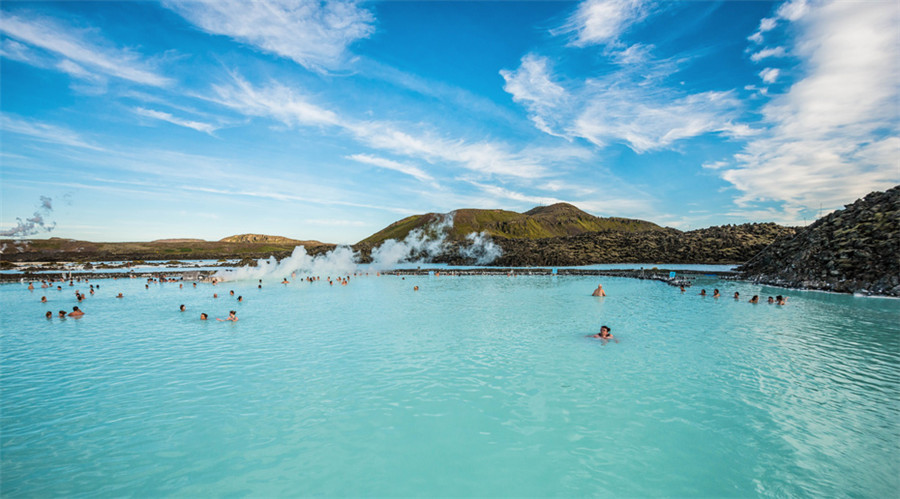
This area is Reykjavik's recreational heartland. It houses a geothermal swimming pool complex (Laugardalslaug), a botanical garden, a zoo, and an ice skating rink. It's an excellent place to experience the local culture of relaxing in hot pools.
The Culinary Scene: What and Where to Eat
Icelandic cuisine has evolved dramatically, moving beyond its traditional roots to embrace New Nordic innovation while still celebrating its heritage.
Traditional Icelandic Fare
Modern Icelandic Cuisine
Reykjavik boasts a sophisticated food scene with several world-class restaurants that focus on fresh, local ingredients like lamb, seafood, and skyr.
Coffee Culture
Reykjavik has a thriving coffee scene. Locals often meet for a "kaffi," and the city is dotted with excellent coffeehouses like Reykjavik Roasters and Kaffibrennslan.
Chasing the Aurora Borealis from Reykjavik
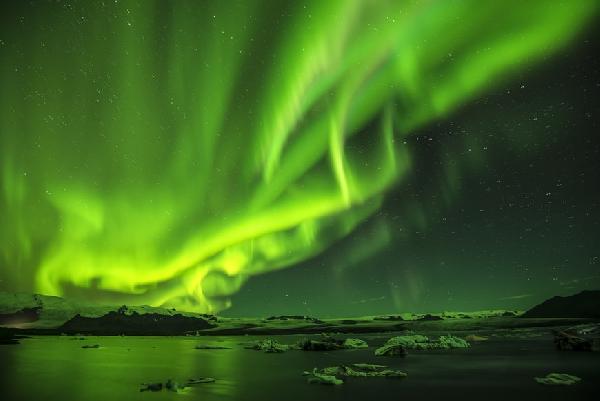
The Northern Lights are a natural light display caused by collisions between electrically charged particles from the sun that enter the earth's atmosphere. Seeing them is a top reason for visiting Iceland between September and mid-April.
Best Time to See the Northern Lights
How to Increase Your Chances
Transportation: Getting To and Around Reykjavik
Arriving in Reykjavik
Keflavík International Airport (KEF) is Iceland's main international airport, located about 50 minutes from Reykjavik.Getting Around Reykjavik
Accommodation Tips: Where to Stay
Reykjavik offers a wide range of accommodation options to suit all budgets and styles.
By Neighborhood
Types of Accommodation
Cultural Insights and Etiquette
Understanding local customs will enrich your travel experience.
The Icelandic Mentality
Icelanders are generally reserved but friendly, practical, and fiercely independent. They have a strong literary tradition—Reykjavik is a UNESCO City of Literature—and a deep respect for nature.