The Ultimate Iceland Travel Guide: Reykjavik, Golden Circle, South Coast & Blue Lagoon
The Ultimate Iceland Travel Guide: Reykjavik, Golden Circle, South Coast & Blue Lagoon
This comprehensive guide details a classic Icelandic itinerary, a loop that takes travelers from the modern capital of Reykjavik, through the historically and geologically significant Golden Circle, along the dramatic waterfalls and black sand beaches of the South Coast, to the ethereal beauty of the Jökulsárlón glacier lagoon, and finally, a relaxing conclusion in the milky-blue waters of the Blue Lagoon. It is a journey through a land of fire and ice, where otherworldly landscapes promise an unforgettable adventure.
Day 1: Arrival and Exploring Reykjavik
Most journeys to Iceland begin at Keflavik International Airport (KEF), located about a 50-minute drive from the capital city, Reykjavik. Travelers can take airport buses like the Flybus or Gray Line, which offer convenient drop-offs at major bus terminals and select hotels, or rent a car directly from the airport for maximum flexibility.
Reykjavik Attractions
Reykjavik Food & Culture
Reykjavik has a vibrant and innovative food scene. For a classic Icelandic experience, try
lamb soup (Kjötsúpa), a hearty and flavorful broth with vegetables. The city is also famous for its hot dogs (pylsur), often served with a combination of raw and crispy fried onions, sweet mustard, and remoulade. For a more upscale dining experience, seek out fresh Arctic char or langoustine. Reykjavik's culture is a blend of Nordic heritage and modern creativity, with a strong literary tradition, a thriving music scene, and a deep respect for nature. The city is compact and walkable, with a relaxed, artistic vibe.Accommodation in Reykjavik
Accommodation ranges from luxury hotels like
Canopy by Hilton Reykjavik City Centre to boutique guesthouses and budget-friendly hostels. It is advisable to book well in advance, especially during the summer peak season. Staying in the city center (101 postcode) provides easy access to most attractions, restaurants, and shops.Day 2: The Golden Circle Classic Route
The Golden Circle is a 300-kilometer loop that can be easily done as a day trip from Reykjavik. It showcases three of Iceland's most famous sites: Þingvellir National Park, the Geysir Geothermal Area, and Gullfoss Waterfall.
Þingvellir (Thingvellir) National Park
A UNESCO World Heritage Site, Þingvellir is historically and geologically unique. It is the location of the Alþingi, the world's oldest existing parliament, established in 930 AD. Geologically, it is where the North American and Eurasian tectonic plates are visibly pulling apart at a rate of about 2 cm per year, creating a dramatic rift valley. Visitors can walk through the Almannagjá gorge, which marks the edge of the North American plate, and even go snorkeling or diving in the crystal-clear waters of Silfra Fissure, located between the continents.
Geysir Geothermal Area
This bubbling, steaming field is home to one of Iceland's most famous geysers,
Strokkur. Unlike its namesake, the Great Geysir, which is mostly dormant, Strokkur erupts every 5-10 minutes, shooting a column of boiling water 15-20 meters (50-65 feet) into the air. The area is filled with other colorful hot springs and fumaroles, offering a powerful display of the earth's geothermal energy.Gullfoss Waterfall
Known as the "Golden Falls," Gullfoss is a massive, two-tiered waterfall on the Hvítá River. The water plummets 32 meters into a rugged canyon, creating an impressive spray that often results in stunning rainbows on sunny days. There are walking paths along the edge of the canyon that provide different vantage points of this powerful natural wonder.
Transportation & Tips
The Golden Circle is most conveniently explored by car or by joining a guided bus tour. A rental car allows for a more flexible schedule and the opportunity to visit lesser-known spots along the route, such as the Friðheimar tomato farm for a lunch inside a greenhouse. Tours are a hassle-free option with informative guides. The drive is manageable year-round, though winter conditions require a 4x4 vehicle and extra caution.
Day 3: South Coast to a Southern Town
Leaving Reykjavik or the Golden Circle behind, Route 1 (the Ring Road) leads travelers east along Iceland's spectacular South Coast. This region is characterized by vast sand plains, powerful rivers, glaciers looming in the distance, and a coastline dotted with dramatic waterfalls and black sand beaches.
Seljalandsfoss and Skógafoss Waterfalls
Two of Iceland's most famous waterfalls are located early on the South Coast drive.
Seljalandsfoss is a graceful 60-meter cascade that visitors can walk behind, offering a unique and photo-worthy perspective (be prepared to get wet and wear waterproof clothing). A short walk away is the hidden gem Gljúfrabúi, a waterfall partially concealed by a cliff face. Further east is the mighty Skógafoss, one of Iceland's biggest and most iconic waterfalls. It is 60 meters wide and 25 meters tall, and on sunny days, a constant mist creates brilliant double rainbows. A steep staircase leads to a viewing platform at the top for a breathtaking view of the coast.Accommodation in a Southern Town
Staying in one of the charming southern towns—such as
Hella, Hvolsvöllur, or Vík—is highly recommended to break up the journey. These towns offer a range of accommodation from hotels and farm stays to cozy guesthouses. They provide a peaceful, authentic base for exploring the surrounding natural wonders. Vík í Mýrdal (commonly called Vík) is particularly popular due to its dramatic location near the black sand beach.Day 4: Black Sand Beaches and Jökulsárlón Glacier Lagoon
This day is dedicated to some of Iceland's most dramatic and photogenic landscapes.
Reynisfjara Black Sand Beach
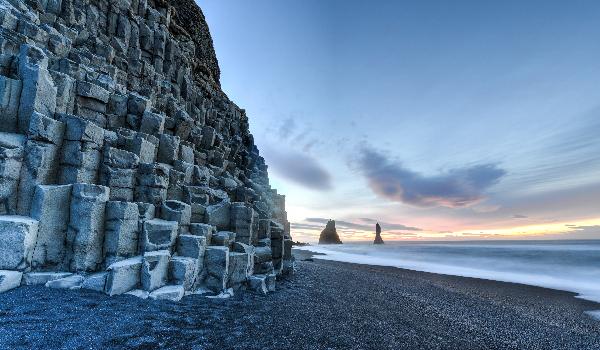
Near the village of Vík lies Reynisfjara, a world-famous black sand beach. Its stunning beauty is matched by its potential danger. The sand is composed of volcanic basalt, and the beach is framed by spectacular basalt column cliffs and towering sea stacks called Reynisdrangar out in the ocean.
Extreme caution is required here due to "sneaker waves"—sudden, large waves that can sweep powerfully far up the beach without warning. It is crucial to never turn your back on the ocean and always keep a safe distance from the water's edge.Skaftafell Nature Reserve (Part of Vatnajökull National Park)
As you continue east, you enter the vast Vatnajökull National Park. Skaftafell is a beautiful oasis at the foot of Iceland's largest glacier, Vatnajökull. It is a popular area for hiking, with trails leading to viewpoints like
Svartifoss (Black Fall), a waterfall framed by dark basalt columns. The area is also a prime location for guided glacier hikes, where visitors can safely explore the blue ice formations of an outlet glacier.Jökulsárlón Glacier Lagoon and Diamond Beach
Jökulsárlón is arguably one of Iceland's crown jewels. This breathtaking glacier lagoon is filled with icebergs that have calved from the nearby Breiðamerkurjökull glacier. The icebergs float in a serene, deep blue lagoon before drifting out to sea. Visitors can take amphibious boat or zodiac tours to get up close to the ice. Across the road, on the black sand beach of Breiðamerkursandur, smaller pieces of ice wash ashore, glittering like diamonds against the dark sand—hence its name, "Diamond Beach." The scene is constantly changing and is particularly magical at sunrise or sunset.
Return to a Southern Town
After exploring Jökulsárlón, travelers typically drive back to their accommodation in a southern town like Vík or Kirkjubæjarklaustur. This makes for a long but immensely rewarding day. The drive back offers a chance to see the landscapes in a different light.
Day 5: Return Journey to Reykjavik with Stops
The drive back to Reykjavik from the South Coast can be used to revisit favorite spots or explore places missed on the way out. Consider stopping at:
Day 6: The Blue Lagoon Experience
The Blue Lagoon is often saved for the final day due to its proximity to Keflavik Airport, making it the perfect relaxing finale before a flight home.
Visiting the Blue Lagoon
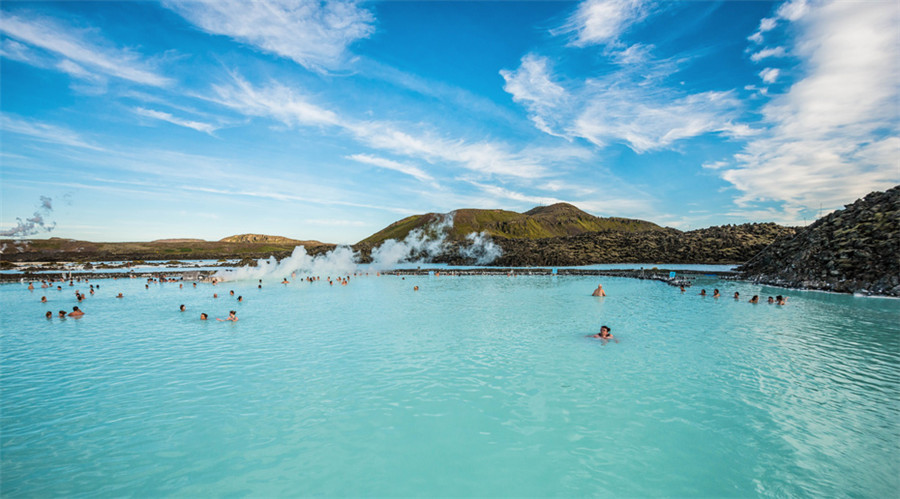
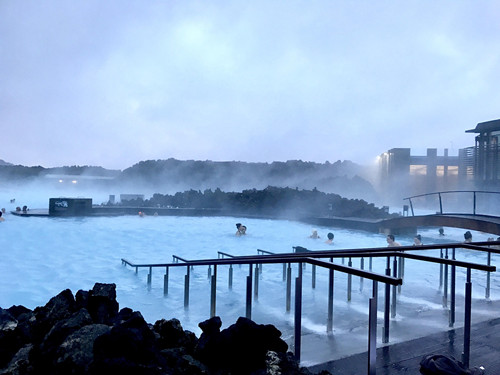
The Blue Lagoon is a man-made geothermal spa located in a lava field on the Reykjanes Peninsula. Its milky-blue water is rich in minerals like silica and sulfur, which are renowned for their skin-healing properties. The experience includes a silica mud mask, and there are additional treatments available. It is essential to
book tickets well in advance, as entry is timed and often sells out. The lagoon offers different comfort and luxury package levels.Practical Information
General Travel Tips for Iceland
Transportation
Accommodation
- Book accommodations months in advance for summer travel.
- Options include hotels, guesthouses, farm stays, and holiday cottages.
- Camping is popular but is only permitted in designated campsites.
Food & Dining
- Eating out in Iceland can be expensive. To save money, consider shopping at grocery stores like Bónus or Krónan.
- Must-try foods include skyr (a dairy product similar to yogurt), fresh fish, lamb, and rye bread ice cream.