A Comprehensive Travel Guide: Reykjavik to Langjökull Glacier and Back
This guide details a quintessential Icelandic journey: a loop from the vibrant capital of Reykjavik to the immense, otherworldly Langjökull Glacier and back. This route offers a perfect blend of urban culture, starkly beautiful landscapes, and raw natural power, encapsulating the spirit of Iceland in a compact, accessible adventure. Travelers will traverse lava fields, pass by geothermal areas, and stand upon the second-largest ice cap in Iceland, returning to the city with a profound appreciation for this unique island nation.
Introduction to the Journey
The Reykjavik–Langjökull–Reykjavik circuit is a popular one or two-day excursion located in the southwest of Iceland. The total driving distance is approximately 300-400 kilometers (186-248 miles), depending on the specific routes and stops. The journey takes travelers from sea level into the Icelandic Highlands' fringes, showcasing a dramatic transformation in scenery. Key highlights include the Golden Circle route (often combined with the glacier tour), the immense Langjökull ice cap itself, and the contrasting tranquility and buzz of Reykjavik. The best time to undertake this trip is from May to September when roads are clear, and tour operations are in full swing, though winter offers a starkly beautiful, snow-blanketed experience for the well-prepared.
Part 1: Reykjavik - The Northernmost Capital
Reykjavik, the world's northernmost capital, is a colorful, creative, and compact city that serves as the perfect start and end point for the journey. It is a hub of culture, cuisine, and history, nestled between the sea and mountains.
Key Attractions in Reykjavik
Hallgrímskirkja Church: This iconic expressionist church, inspired by Iceland's basalt lava flows, dominates the city skyline. Visitors can take an elevator to the top of the bell tower for a panoramic 360-degree view of the city's colorful rooftops and the surrounding sea and mountains.
Harpa Concert Hall: A architectural masterpiece on the waterfront, Harpa's geometric glass facade reflects the sky and sea, creating a dazzling display. It is home to the Icelandic Symphony Orchestra and offers guided tours.
Perlan (The Pearl): Situated on Öskjuhlíð hill, Perlan offers another superb viewing platform and houses a natural history museum featuring a real indoor ice cave. The surrounding forest is perfect for a walk.
The Sun Voyager (Sólfar): This striking steel sculpture on the seaside promenade resembles a Viking longship but is officially an "ode to the sun." It is a particularly beautiful spot at sunset.
The National Museum of Iceland: For those interested in the country's history, from the Viking Settlement Age to the present day, this museum provides an excellent and comprehensive overview.
Food and Drink in Reykjavik
Reykjavik's food scene is innovative, with a strong emphasis on fresh, local ingredients, particularly seafood and lamb.
Traditional Icelandic Fare: Sample Plokkfiskur (a hearty fish stew), Kjötsúpa (lamb soup), or the more adventurous Hákarl (fermented shark) for the brave.
New Nordic Cuisine: Restaurants like Dill and Grillmarkaðurinn (The Grill Market) have put Icelandic cuisine on the global map with their creative use of local ingredients.
The Hot Dog (Pylsa): A must-try is the Icelandic hot dog from Bæjarins Beztu Pylsur, a legendary stand. It's made from lamb and served with raw and crispy onions, remoulade, and mustard.
Coffee Culture: Reykjavik has a thriving coffee scene. Spend a morning cozying up in a local café like Reykjavik Roasters or Kaffi Mokka.
Accommodation in Reykjavik
Reykjavik offers a wide range of accommodations to suit all budgets.
Luxury: Hotels like Canopy by Hilton Reykjavik City Centre and Tower Suites Reykjavik offer premium amenities and central locations.
Mid-Range: Boutique hotels such as Alda Hotel or Black Pearl Apartment Hotel provide excellent service and comfort.
Budget: Hostels like Kex Hostel and Loft Hostel are popular, social, and well-located, offering both dormitory and private rooms.
Cultural Insights: Reykjavik
Reykjavik is known for its vibrant arts scene, with numerous galleries, street art, and live music venues. The city has a relaxed, informal atmosphere. Tipping is not customary. Icelanders are generally reserved but friendly and speak excellent English. The weekend nightlife is famously long and starts late, often after midnight.
Part 2: The Journey to Langjökull Glacier
The route from Reykjavik to Langjökull typically follows parts of the famous Golden Circle before heading north into the highlands. The drive itself is spectacular, passing through vast lava fields covered in neon-green moss, past steaming geothermal zones, and alongside powerful rivers.
Transportation: Getting There
Self-Driving: Renting a car offers the most flexibility. A standard 2WD car is sufficient for summer travel on main roads (Route 1 and 36). However, the F-roads leading directly to glacier bases are strictly for 4x4 vehicles and are only open in summer. Always check road.is for conditions.
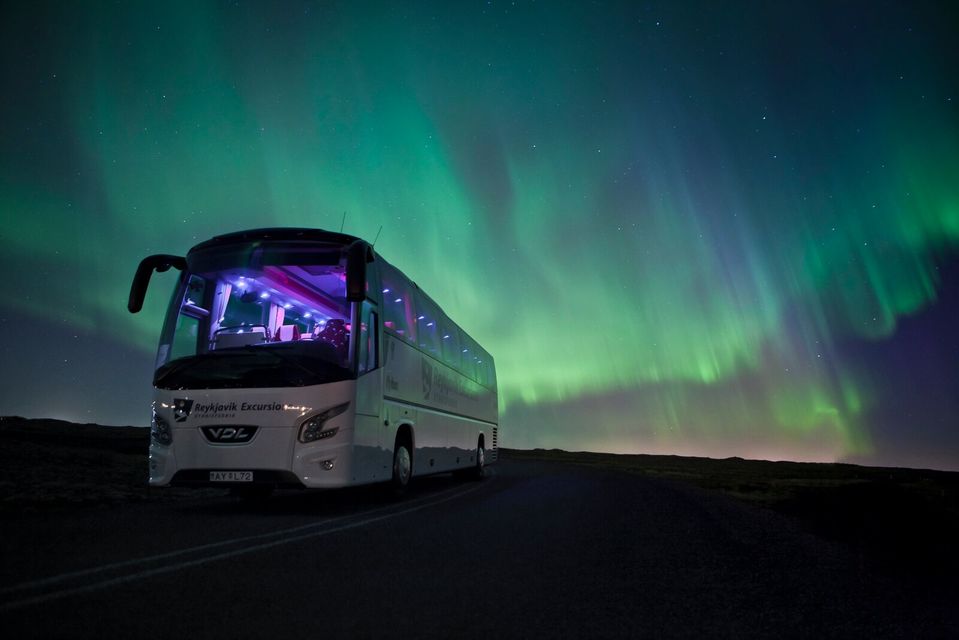
Guided Tours: This is the most common and recommended way to experience Langjökull itself. Numerous operators run day trips from Reykjavik that include transportation, often combining the glacier with Golden Circle sights like Þingvellir, Geysir, and Gullfoss. Joining a tour is essential for safety on the ice.
Bus: Public buses do not go directly to the glacier starting points for tours. However, tour buses are the primary mode of transport for those not driving.
The Golden Circle Detour
Most journeys to Langjökull incorporate the Golden Circle, a 300-kilometer loop of Iceland's most famous sights.
Þingvellir National Park: A site of profound historical and geological significance. It was the site of the world's first parliament, the Alþingi, established in 930 AD. Geologically, it is where the North American and Eurasian tectonic plates are visibly pulling apart.
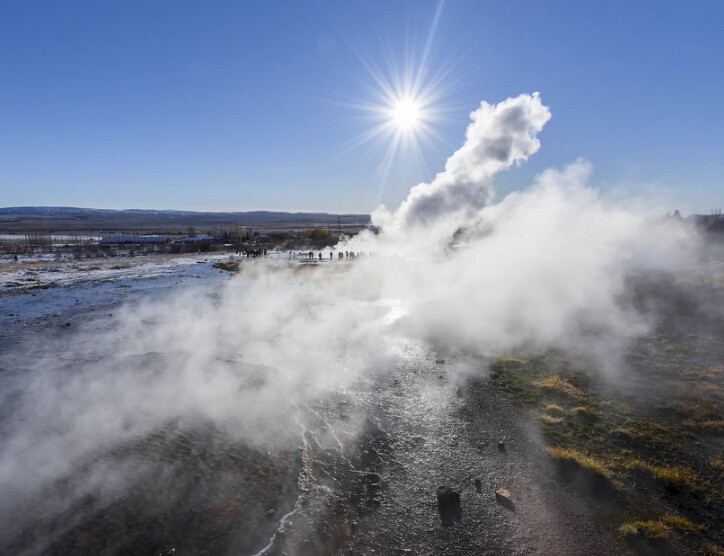
Geysir Geothermal Area: Home to the Great Geysir, from which all others get their name. While Geysir itself is mostly dormant, its neighbor Strokkur erupts every 5-10 minutes, shooting a column of boiling water 20-40 meters into the air.
Gullfoss Waterfall: The "Golden Falls" is a massive, two-tiered waterfall cascading into a deep canyon. The power and spray are awe-inspiring, creating frequent rainbows on sunny days.
Part 3: Langjökull Glacier - The Long Glacier
Langjökull (The Long Glacier) is Iceland's second-largest ice cap, covering an area of about 953 km². It is a vast, pristine wilderness of ice and snow, accessible only via specialized vehicles and guided tours.
Attractions and Activities on Langjökull
Ice Cave Tours: The premier attraction on Langjökull is the man-made ice tunnel. Carved deep into the glacier, it allows visitors to walk inside the ice, witnessing stunning blue hues, layers of volcanic ash, and glacial formations. This is a unique opportunity to understand glacier geology from the inside.
Snowmobiling: A thrilling way to explore the vast white expanse of the glacier's surface. Tours typically pair a super-jeep ride to the base camp with a snowmobile ride on the ice, offering incredible views of the surrounding mountains.
Super-Jeep Tours: For those who prefer not to snowmobile, super-jeep tours provide access to remote parts of the glacier's edge and offer unparalleled photo opportunities and geological commentary from expert guides.
The View: Simply standing on the glacier is an experience in itself. The silence, broken only by the wind, and the seemingly endless field of white create a profound sense of isolation and natural wonder.
Practical Tips for the Glacier Visit
Clothing: Weather on the glacier can be extreme and change rapidly. Essential items include a waterproof and windproof jacket and pants, warm layers (fleece or wool), sturdy waterproof hiking boots, gloves, and a hat. The tour operators usually provide necessary safety gear like helmets for snowmobiling.
Safety: It is imperative to never venture onto a glacier without an experienced guide. Glaciers are dynamic, treacherous environments riddled with hidden crevasses.
Booking: Glacier tours must be booked in advance, especially during peak season (June-August).
Cultural Insights: Glaciers in Iceland
Glaciers cover about 11% of Iceland's surface and are a central part of its identity and landscape. They are powerful forces that have shaped the land through eruptions and floods (jökulhlaups). However, they are also highly sensitive to climate change; Langjökull has been retreating significantly over recent decades. Visiting a glacier provides a tangible connection to both Iceland's natural history and the pressing issue of global warming.
The Return Journey to Reykjavik
The return trip offers a chance to see the landscape from a new perspective or visit sites missed on the way out.
Possible Stops on the Return
Hraunfossar and Barnafoss: A series of stunning waterfalls where water seeps out from under a lava field (Hraunfossar) into the Hvítá river, right next to the rapid-flowing Barnafoss.
Deildartunguhver: The most powerful hot spring in Europe, producing 180 liters of boiling water per second. It is a dramatic display of geothermal energy and supplies hot water to towns many kilometers away.
The Settlement Center in Borgarnes: An excellent museum that tells the story of Iceland's first settlers through exhibits and audio guides, providing deeper context to the country's history.
A Sample Two-Day Itinerary
Day 1:
- Morning: Explore Reykjavik (Hallgrímskirkja, Harpa).
- Afternoon: Pick up rental car or join tour bus. Drive the Golden Circle (Þingvellir, Geysir, Gullfoss).
- Evening: Stay in accommodation near Húsafell or Laugarvatn for easier access to the glacier the next day.
Day 2:
- Morning: Drive to the Langjökull base camp. Embark on a pre-booked ice cave and/or snowmobile tour (approx. 3-4 hours).
- Afternoon: Enjoy lunch, then visit Hraunfossar waterfalls on the return journey.
- Evening: Drive back to Reykjavik, enjoy a well-earned dinner in the city.
Conclusion
The journey from Reykjavik to Langjökull Glacier and back is more than just a scenic drive; it is an immersion into the heart of Iceland. It contrasts human-scale urban life with the monumental forces of nature—tectonic plates at Þingvellir, geothermal steam at Geysir, thundering water at Gullfoss, and ancient, moving ice at Langjökull. This loop provides a profound understanding of why Iceland is known as the Land of Fire and Ice, leaving travelers with memories of stark beauty and raw power that last a lifetime.