A Comprehensive Travel Guide: London, The Cotswolds, Stratford-upon-Avon & Bourton-on-the-Water
Introduction
This guide details a classic English journey, taking you from the dynamic, world-class capital of London into the heart of the serene and picturesque English countryside. The route encompasses the literary history of Stratford-upon-Avon, the quintessential charm of the Cotswolds, represented by Bourton-on-the-Water, and culminates with a return to London. This itinerary is designed to offer a rich blend of urban energy, historical depth, and rural tranquility.
Part 1: London - The Capital Experience
London is a vast metropolis steeped in history, culture, and modern vibrancy. Spending a few days here at the start and end of your trip allows you to absorb its many facets.
Key Attractions
The British Museum: Home to a vast collection of world art and artifacts, including the Rosetta Stone and the Parthenon Marbles. Admission is free, though some special exhibitions require a ticket.
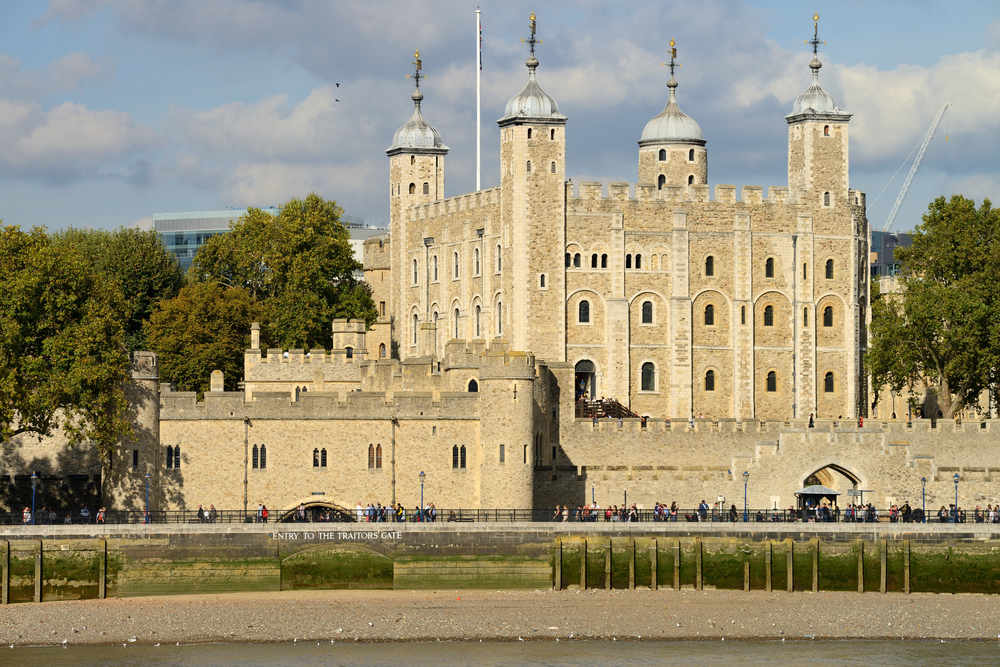
The Tower of London: A historic castle on the north bank of the River Thames. Explore the Crown Jewels, see the iconic Beefeaters, and learn about the tower's grim history as a prison. Booking online in advance is highly recommended.
Buckingham Palace: The official London residence of the UK's sovereign. The Changing of the Guard ceremony is a major attraction (check the official schedule for dates and times). During the summer, the State Rooms are open to the public.
The Houses of Parliament & Big Ben: The seat of the UK government. The Elizabeth Tower (commonly known as Big Ben) is an iconic symbol of London. You can take a guided tour of the Houses of Parliament.
Westminster Abbey: A magnificent Gothic church and a UNESCO World Heritage Site, it has been the coronation church since 1066 and is the final resting place of many monarchs and notable figures.
The London Eye: A giant Ferris wheel on the South Bank of the River Thames offering spectacular panoramic views of the city.
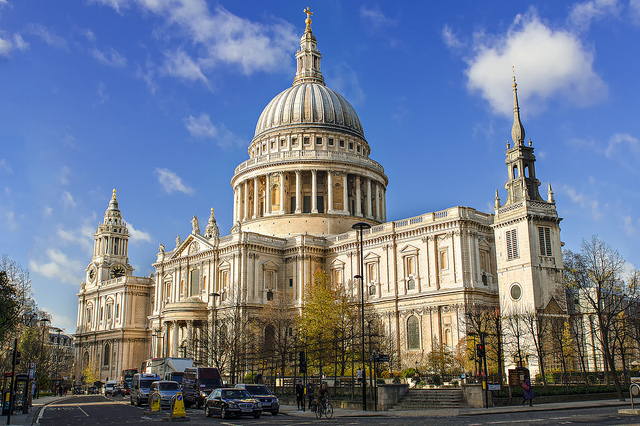
St. Paul's Cathedral: An Anglican cathedral with a world-famous dome designed by Sir Christopher Wren. Climb to the top for breathtaking views of London.
Tate Modern & The South Bank: Housed in a former power station, Tate Modern is a leading gallery of international modern and contemporary art. The surrounding South Bank area is a vibrant cultural hub with street performers, book markets, and restaurants.
Practical Information for London
Getting Around: The London Underground ("the Tube") is the most efficient way to travel. Purchase an Oyster card or use a contactless bank card for the best fares. Buses are also a great way to see the city.
Accommodation: Options range from luxury hotels in Mayfair and Kensington to boutique hotels in Covent Garden and budget-friendly hostels in zones 2 and 3. Book well in advance, especially during peak season.
Food & Drink: London's food scene is incredibly diverse. Don't miss classic pubs for a Sunday roast, Borough Market for gourmet street food, and the myriad of international restaurants across the city.
Money-Saving Tip: Many world-class museums and galleries, including the British Museum, National Gallery, and Tate Modern, offer free general admission.
Part 2: Journey to the Cotswolds & Stratford-upon-Avon
The best way to explore this region is by car, offering the freedom to discover hidden villages at your own pace. Alternatively, trains and coaches connect major towns.
Transportation Options
Car Rental: Pick up a car from one of London's airports or a central rental office. Driving in the countryside is generally pleasant, but be prepared for narrow, winding lanes. Pre-booking is essential.
Train: Regular train services run from London Paddington to Moreton-in-Marsh or from London Marylebone to Stratford-upon-Avon. Both are good gateways to the Cotswolds.
Coach: National Express coaches offer a budget-friendly option from London Victoria to various towns like Cheltenham or Stratford-upon-Avon.
Stratford-upon-Avon: Shakespeare's Birthplace
Your first major stop from London is Stratford-upon-Avon, a historic market town forever linked to William Shakespeare.
Shakespeare's Birthplace: Visit the half-timbered house where the playwright was born and raised. It's furnished in Tudor style and features live performances and exhibitions.
Anne Hathaway's Cottage: The picturesque childhood home of Shakespeare's wife, located in the village of Shottery, a short walk from the town center. The cottage and its beautiful gardens are idyllic.
Holy Trinity Church: The final resting place of William Shakespeare. The church is situated in a beautiful location on the banks of the River Avon.
Royal Shakespeare Theatre: Catch a world-class performance by the Royal Shakespeare Company. Even if you don't see a play, you can take a backstage tour or enjoy a meal with river views at the Rooftop Restaurant.
Practical Tip: Consider purchasing a combined "Shakespeare's Story" ticket for access to multiple properties managed by the Shakespeare Birthplace Trust.
The Cotswolds: An Area of Outstanding Natural Beauty
The Cotswolds is a region of rolling hills, river valleys, and honey-colored limestone villages. It is designated an Area of Outstanding Natural Beauty (AONB).
Bourton-on-the-Water: The "Venice of the Cotswolds"
This is one of the most popular and photogenic villages in the Cotswolds, known for its low bridges spanning the River Windrush.
The River Windrush and Bridges: Stroll along the grassy banks, cross the elegant low-arched stone bridges, and enjoy a picnic by the water.
The Model Village: A one-ninth scale replica of Bourton-on-the-Water itself, built from the local Cotswold stone. It's a fascinating and detailed attraction.
The Cotswold Motoring Museum & Toy Collection: A charming museum filled with vintage cars, caravans, and motoring memorabilia, famously associated with the TV show "Brum."
Birdland Park & Gardens: Home to over 500 birds, including penguins, flamingos, and parrots, set in woodland and riverside gardens.
Dining and Shopping: The village has numerous tearooms, traditional pubs, and small shops selling local crafts and produce. It can get very busy during peak tourist season.
Other Notable Cotswold Villages (Nearby)
If you have time, explore these other beautiful villages located within a short drive of Bourton-on-the-Water:
Stow-on-the-Wold: A historic market town perched on a hill, known for its large market square and antique shops.
Lower Slaughter:A supremely pretty village with a crystal-clear stream running through its center, crossed by small footbridges. The Old Mill is a notable attraction.
Bibury: Often described as the most beautiful village in England by William Morris. Arlington Row, a row of ancient weavers' cottages, is an iconic image of the Cotswolds.
Broadway: A wide, elegant village street lined with horse chestnut trees and honey-colored stone buildings. Climb Broadway Tower for stunning views over the surrounding countryside.
Practical Information for the Cotswolds & Stratford
Accommodation: Stay in a charming bed and breakfast (B&B), a cozy inn, or a country hotel. Bourton-on-the-Water, Stow-on-the-Wold, and Chipping Campden are popular bases. Booking far in advance is crucial.
Food & Drink: Enjoy traditional pub food like fish and chips or a ploughman's lunch. Look for pubs with open fires and real ales. Afternoon tea in a Cotswold tearoom is a must.
Walking: The Cotswolds is crisscrossed with public footpaths, including the long-distance Cotswold Way. Even a short walk between villages like Upper and Lower Slaughter is highly rewarding.
Part 3: Return to London
The journey back to London from the Cotswolds is straightforward by car or train. Drop off your rental car at an airport or central location if you drove. Use your final days in London to explore neighborhoods you missed, see a West End show, or do some last-minute shopping on Oxford Street or in Covent Garden.
Smooth Departure
Heathrow Express / Elizabeth Line: Fast train services from Paddington Station to Heathrow Airport.
Gatwick Express: A direct train from Victoria Station to Gatwick Airport.
The Tube: The Piccadilly Line offers a direct, albeit slower, route to Heathrow from central London.
Allow ample time for travel to the airport, especially during peak hours.
Sample 7-Day Itinerary
Day 1-3: London - Arrive at Heathrow/Gatwick. Settle into your accommodation. Spend three days exploring major sights: Day 1: South Bank (London Eye, Tate Modern), Day 2: Westminster (Buckingham Palace, Westminster Abbey), Day 3: City of London (Tower of London, St. Paul's).
Day 4: To Stratford-upon-Avon - Pick up rental car or take train. Drive/travel to Stratford-upon-Avon (approx. 2-2.5 hours). Visit Shakespeare's Birthplace and Anne Hathaway's Cottage. Overnight in Stratford or a Cotswolds village.
Day 5: Explore the Cotswolds - Drive through the countryside. Visit Bourton-on-the-Water (Model Village, Motoring Museum) and nearby Lower Slaughter and Stow-on-the-Wold. Overnight in a Cotswolds B&B.
Day 6: More Cotswolds & Return to London - Morning visit to Bibury or Broadway. Enjoy a final country pub lunch. Drive/travel back to London (approx. 2-3 hours). Drop off rental car. Overnight in London.
Day 7: Final London Day & Departure - Visit the British Museum or do some last-minute shopping. Depart from London airport.
Essential Travel Tips
Best Time to Visit: Late spring (May-June) and early autumn (September) offer pleasant weather and fewer crowds. July and August are peak season with more tourists. The countryside is beautiful year-round, including winter when villages are festive.
Currency: British Pound Sterling (£). Credit/debit cards are widely accepted; however, it's wise to carry some cash for small purchases in rural villages or market stalls.
Tipping: A service charge (10-12.5%) is often added to restaurant bills. If not, tipping 10-15% is customary for good service. Tipping in pubs is not expected. For taxis, round up the fare.
Weather & Clothing: UK weather is famously changeable. Pack layers, a waterproof jacket, and comfortable walking shoes. An umbrella is always a good idea.
Booking in Advance: For popular attractions (Tower of London), theatre shows, train tickets (for cheaper fares), and accommodation, booking well in advance is highly recommended.
Driving: Remember that in the UK, you drive on the left-hand side of the road. Be confident and cautious, especially on narrow country lanes where you may need to pull into a passing place.
This journey from London to the Heart of England offers an unforgettable contrast between one of the world's great cities and some of its most charming countryside. With careful planning, you can experience the very best of English history, culture, and natural beauty.
Disclaimer: Always check official websites for the latest opening times, ticket prices, and travel information before your visit, as details can change.